The Art of Thoughtfulness: How Can I Make a Simple Gift Feel Very Thoughtful?
Giving gifts is often seen as an exchange based on monetary value—a transaction where dollars equal appreciation. But true thoughtfulness operates in a far more magical realm, powered by effort and attention. If you’ve ever struggled with that feeling of having a genuinely nice item but wanting it to feel like pure gold, you’re not alone. The goal isn't just to give something; the goal is to make the recipient feel seen. It requires shifting your perspective from "What can I buy?" to "What does this person need right now?" Understanding how can I make a simple gift feel very thoughtful? boils down to mastering the art of personalization and presentation. We are going to break down strategies that turn basic items into cherished keepsakes, proving that heart always outweighs the price tag.
Shifting Your Mindset: The Foundation of Thoughtfulness
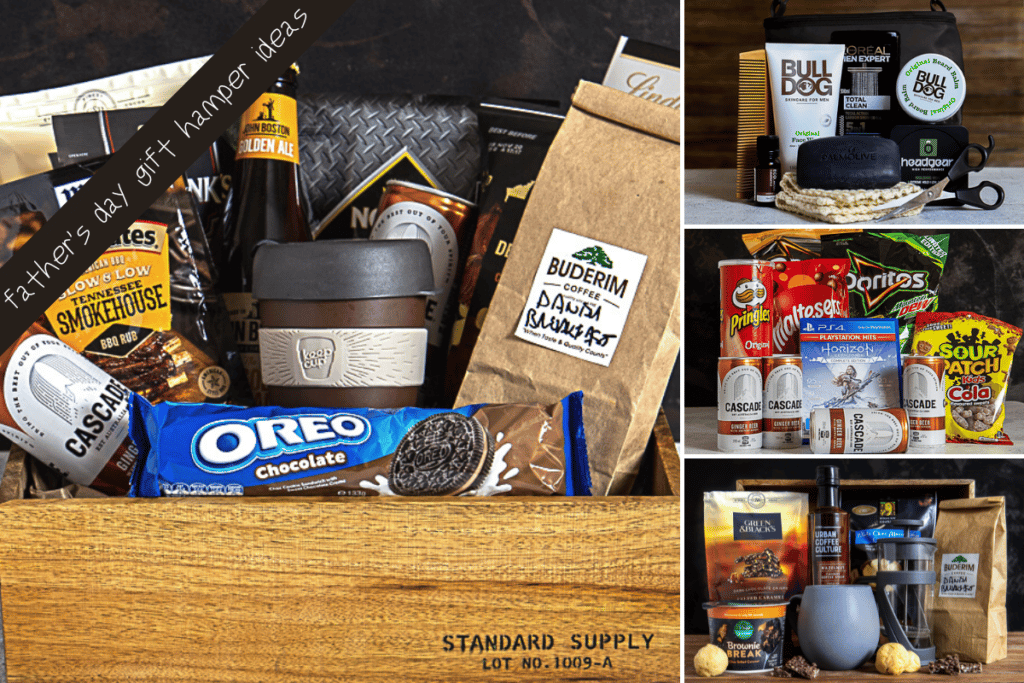
Before you buy a single wrapping ribbon or Father's Day Gift Hampers select an item, you must adjust your mindset. A thoughtful gift is not about perfection; it’s about intention. It's like treating the act of giving as solving a small, personal mystery—the mystery of what brings joy to another human being. Instead of viewing yourself as a shopper, view yourself as a detective researching happiness.
Understanding the Recipient's World
The most valuable resource you have is information about the person receiving the gift. This requires moving beyond generic assumptions and becoming an active listener. What are their current struggles? What hobbies have they neglected lately? Do they complain about being cold every autumn, or do they rave about a certain type of coffee? These small details are golden nuggets that can guide your entire selection process.
- Listen for complaints: If they mention needing better quality headphones for work, the gift is an upgrade, not just any pair of headphones.
- Recall inside jokes: Can you find a physical representation of a running joke? This immediately personalizes the object and makes it feel unique to your relationship.
- Identify unmet needs: Do they always say, "I wish I had..."? That "wish" is often the blueprint for the perfect gift.
Moving Beyond Material Value
Sometimes, the most thoughtful thing you can give isn't an object at all. It’s an experience or a moment. We are taught that value correlates with cost, but true thoughtfulness understands that memories and time are priceless commodities. If you struggle with how can I make a simple gift feel very thoughtful? by focusing only on objects, try instead to give attention. For example, spending an afternoon doing something they love—like going through an old photo album together or simply listening without interruption—can be far more impactful than any material purchase.
Elevating Simple Items Through Presentation
Once you have identified a simple gift (a book, a snack, a piece of art), the next challenge is making it sing. This involves treating packaging and presentation not as afterthoughts, but as integral parts of the gift itself. The wrapper, the ribbon, the card—these are the emotional anchors that secure the perceived value.
The Power of Packaging
Think of wrapping paper as a protective cocoon for the item's inherent meaning. Simple items gain immediate gravitas when they are presented with care. This doesn't mean spending hours crafting an elaborate scene; it means paying attention to small, tactile details. Use natural elements like twine and dried flowers instead of plastic ribbons. If you are wrapping something edible, include a handwritten "recipe pairing" suggestion. It transforms the gift from mere sustenance into part of a curated ritual.

Adding Context: The Handwritten Note
This is arguably the single most powerful tool in your thoughtful gift arsenal. A generic card that says "Happy Birthday!" feels hollow. However, a note that says, "I remembered you mentioning how much you loved reading mysteries on rainy days, and I hope this book takes you away," instantly shifts the entire dynamic. The written word provides the context that elevates the item. It tells a story: “I know you. And because I know you, I got this.”
An anecdote comes to mind about a coworker who received a simple box of artisanal tea. The note wasn't just "Enjoy!" but rather, "Drink this while listening to the playlist we made for your desk—the one that reminds us of our college trips." The recipient didn't just get tea; they got an entire sensory memory curated by you.
Curating Experiences Over Objects
If a physical gift feels too tricky to elevate, pivot entirely to experiences. This is where thoughtfulness truly shines because it requires deep knowledge of the recipient’s desires and schedule—a far more valuable currency than money. If you ask yourself, "What would genuinely make this person smile that they haven't done in ages?" you are on the right track.
Time and Attention as Gifts
The gift of time is revolutionary in a world defined by busyness. This might involve scheduling a zero-agenda movie night, committing to helping them with a daunting task (like reorganizing their garage), or simply offering uninterrupted conversation while they work on a personal project. Remember, the greatest luxury we can bestow upon others is our undivided attention.
Thoughtful Collections: Themed Groupings
Instead of giving one big item, gather three or four small, related items to create a "mini-kit." These themed collections make the gift feel comprehensive and highly curated. Examples include:
- The Cozy Night In Kit: Fuzzy socks, gourmet cocoa mix, and a book by an author they love.
- The Self-Care Survival Box: Sheet mask, luxurious scented candle, and herbal bath salts.
- The Adventure Starter Pack: A local map, a picnic basket, and a portable speaker.
These groupings show that you didn't just buy random things; you designed a perfect little moment for them to enjoy. Doesn't it feel like magic?
Making Your Selection Count
Ultimately, the secret to making any simple gift feel incredibly thoughtful is understanding this core principle: The effort invested in the thought process must be visibly communicated. When someone receives a gift and realizes that you spent time thinking about their specific tastes, quirks, and needs—that realization is worth more than the item itself. It’s validation.
As Maya Angelou wisely noted, "People will forget what you said, people will forget what you did, but they will never forget how you made them feel." A thoughtful gift makes the recipient feel seen, remembered, and valued.
By adopting the role of a detective—investigating their needs rather than browsing shelves—and by dedicating time to presentation and context, you turn a simple object into a powerful reminder of your relationship. So, next time you face that challenge, remember: how can I make a simple gift feel very thoughtful? The answer is always with the heart, guided by genuine observation. Start paying attention to the small things about the person you love; those details are your compass.