The Gift of Thoughtfulness: When Should You Start Shopping for Luxury Father's D
The pressure is immense, isn’t it?
It doesn't feel like a gift at all—it feels more like an emotional performance. We are tasked with finding something that screams, "I see you. I appreciate the man you are." And when we talk about luxury, that expectation ratchets up to near-impossible levels: It has to be memorable, impressive, and somehow perfectly tailored to a person who already owns everything.
If you’ve been staring at your calendar, dreading the inevitable rush of "last minute panic," you might be asking yourself: When should I buy luxury Father's Day presents?
The simple answer is: You should start thinking about it when you feel genuinely grateful for him. The perfect answer—the one that actually reduces stress and increases the likelihood of a heartfelt reaction—is to start researching now. We’re not talking about laying out credit cards; we’re talking about starting with an emotional inventory.
The Myth of the Calendar Deadline
The first mistake most people make is treating gift shopping like a race against the clock. They look at Father's Day on the calendar, panic, and then try to cram three months of thoughtful consideration into one frantic weekend. This approach always results in generic gifts—the kind that are nice, but forgettable.
Luxury gifting isn’t about spending; it’s about curation. It requires time spent observing, listening, and remembering the small details that make up a man's daily life.
Think of the process less like an acquisition mission and more like detective work. What does he complain about? What routine item wears out too quickly? Does he have one niche hobby—like restoring old vinyl records Personalised Accessories or grilling exotic cuts of meat—that deserves premium attention? Those tiny details are your goldmines.
“The greatest compliment you can pay someone is not a gift, but the evidence that you truly listened to them.” — Unknown
This perspective shift—from "What should I buy?" to "What has he mentioned recently?"—is where the magic begins.
Phase One: The Observation Window (6–8 Weeks Out)
This is the quietest, most important phase. You are not buying anything; you are gathering intelligence. This period is your chance to truly understand his current needs and desires without the pressure of a deadline hanging over you.

How do you conduct this "observational research"?
- The Listening Audit: Over the next couple of months, pay attention when he talks to friends or colleagues. Does he sigh dramatically about his briefcase? Does he mention that the leather on his favorite watch strap is showing its age? These small grievances are direct gift suggestions.
- The "Wishlist" Interview (with him): Instead of asking, “What do you want?” try asking open-ended questions like, “If you had an unexpected day completely free for a hobby, what would be the first thing you’d buy to improve it?” This reveals passions, not just purchases.
- The Shared Experience Map: What is the last time you laughed together? Was he talking about travel? Could the gift be contributing to a future memory—a reservation at a high-end steakhouse, tickets to an experience, or a weekend getaway fund contribution? Often, the most luxurious gifts are those that involve time.
Phase Two: The Research and Selection Period (3–4 Weeks Out)
Now you transition from gathering data points into building a curated vision. This is where online platforms become your friends—but only if you treat them like high-end department stores, not bargain bins.
Your goal here is to narrow down the possibilities into 2–3 strong contenders and then find the perfect execution point (the specific brand or item).
Consider these three categories of impact:
- The Upgrade: A premium version of something he uses daily but considers mundane. Example: Instead of a basic wallet, look at a handcrafted leather piece from an artisan brand.
- The Niche Passion Item: Something deeply connected to his specific hobby that elevates it. Example: If he loves whiskey, don't just buy a bottle; find a set of crystal decanters and specialized tasting glasses.
- The Experience Voucher: A gift certificate for something you can do together. This shows time is the luxury commodity you value most.
Anecdote Corner: My father always used to complain about his dull, boring key ring that held nothing but lint and car keys. When I started paying attention during a quiet dinner, I noticed he often complimented how "classic" other men's accessories were. Instead of buying him another keyring, I found a custom-engraved brass valet tray for the entryway—a functional piece of decor that elevated his routine act of dropping keys. It wasn't what he asked for, but it solved an aesthetic problem and gave Grandfather him something beautiful to interact with every single day.
The Danger Zone: Last Minute Panic Buying (The Final Week)
Let’s be honest: sometimes life happens. You get busy. Work derails the plan. This is where many people fall into the trap of panic buying—grabbing whatever is heavily marketed or available immediately.
If you find yourself in this zone, do not default to generic gift cards or mass-market electronics. Instead, pivot to these reliable fail-safes:
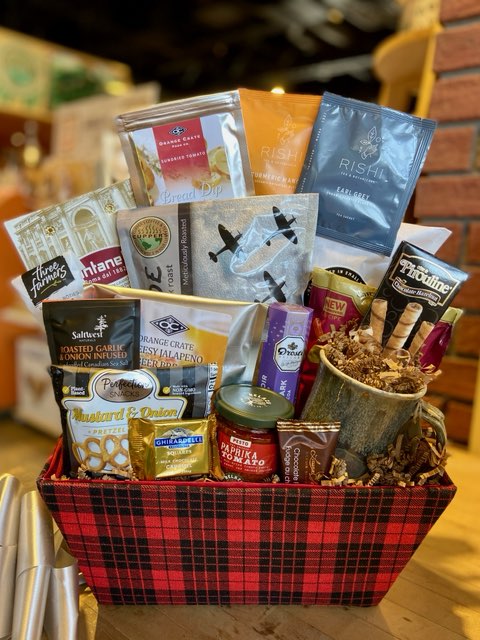
- The Curated Basket: Assemble a selection of high-quality consumables that speak to his interests (e.g., gourmet coffee beans from three different regions, an artisanal chocolate selection, and a bottle of single-malt scotch). The effort in the selection elevates the gift far beyond the cost of the items themselves.
- The Joint Activity: Purchase tickets or reservations for something you can enjoy with him—a sporting event, a meal at a top restaurant, or even a guided tour. This makes the experience the luxury item.
The True Measure of Luxury Gifting
Ultimately, when should you buy these gifts? As soon as you decide that your gift needs to be more than just an object.
The most successful Father's Day presents aren't those with the highest price tag; they are the ones that demonstrate a deep understanding of his personality—the things he likes and the things he doesn't even know he needs yet. They feel like a conversation made physical.
By treating the process as an unfolding story of appreciation, instead of a ticking clock, you shift your focus from consumption to connection. And trust me, that is always the most luxurious purchase of all.